Arjun vs Al-Khalid: Which Battle Tank Dominates?
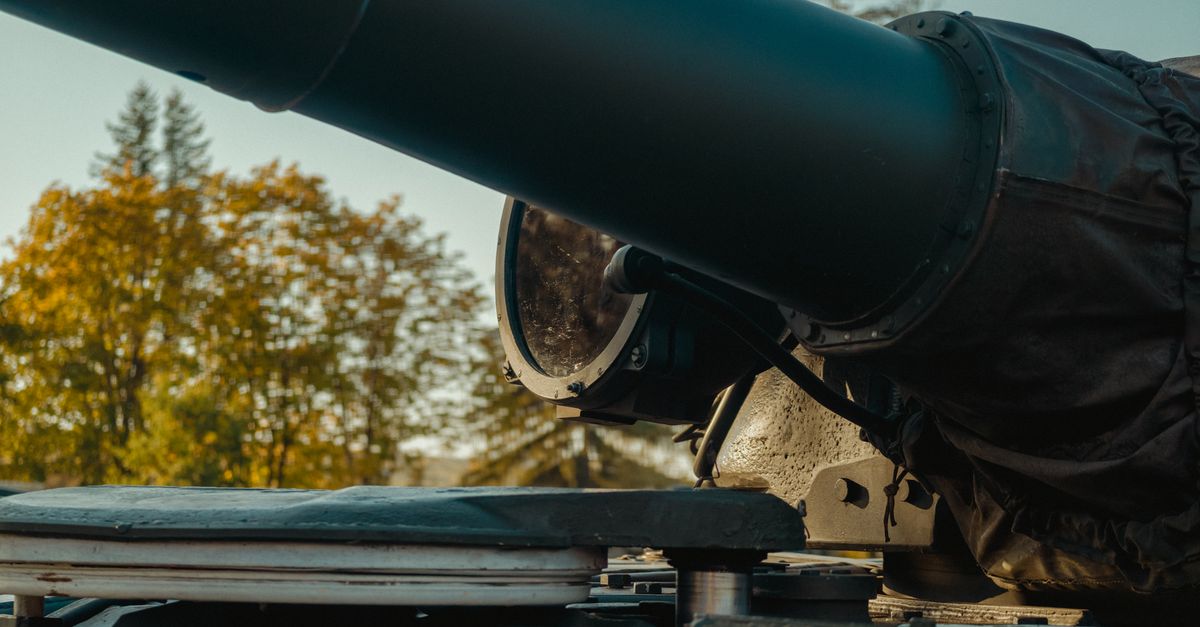
When it comes to armored warfare in South Asia, the Arjun and the Al-Khalid are the two main battle tanks that often come up in discussions. If you're looking for a direct answer to which one dominates, it's not a simple black-and-white call. The Arjun, developed by India's DRDO, emphasizes heavy armor and a powerful 120mm gun, while Pakistan's Al-Khalid, a joint venture with China, focuses on mobility and a lower profile. In a hypothetical India vs Pakistan tank battle comparison, the outcome would depend heavily on terrain, crew training, and support systems. This article breaks down their key attributes—firepower, protection, mobility, and more—to give you a clear picture of how they stack up against each other.
Firepower: Arjun's 120mm vs Al-Khalid's 125mm
The Arjun mounts a 120mm rifled gun, which is unusual for modern tanks that mostly use smoothbore. This rifled design allows it to fire a wide range of ammunition, including high-explosive squash head (HESH) and armor-piercing fin-stabilized discarding sabot (APFSDS). The gun is fed by a manual loading system, but the tank carries 39 rounds. On the other side, the Al-Khalid uses a 125mm smoothbore gun, similar to the Russian 2A46 series, with an autoloader that reduces crew to three and maintains a rate of fire around 8 rounds per minute. It fires APFSDS, HEAT, and high-explosive rounds, and can also launch anti-tank guided missiles (ATGMs) through the barrel. In terms of raw penetration, the Al-Khalid's latest APFSDS rounds are estimated to penetrate around 550mm of rolled homogeneous armor (RHA), while the Arjun's rounds are in a similar ballpark, perhaps slightly higher with newer developments. Both tanks have advanced fire-control systems with thermal sights and laser rangefinders, so accuracy is comparable. The edge in firepower is marginal, but the Al-Khalid's autoloader gives it a slight sustained rate-of-fire advantage.
Armor and Protection: Weight vs Agility
The Arjun is a heavy beast, weighing around 68 tons, and its armor is a mix of composite materials and explosive reactive armor (ERA) on later models. This gives it strong protection against most anti-tank threats, but the weight can be a liability in soft terrain or on bridges with weight restrictions. The Al-Khalid is lighter at about 46 tons, with composite armor and optional ERA. Its smaller size makes it a harder target, but it doesn't have the same level of frontal protection as the Arjun. Both tanks have NBC protection and automatic fire suppression systems. In a direct firefight, the Arjun could likely take more hits, but the Al-Khalid's agility might allow it to avoid being hit in the first place. It's a classic trade-off between armor and mobility.
Mobility and Terrain: Where Each Tank Shines
Mobility is where the Al-Khalid pulls ahead. With a 1,200-horsepower diesel engine, it has a power-to-weight ratio of about 26 hp/ton, enabling speeds up to 70 km/h on roads and good cross-country performance. The Arjun, with its 1,400-horsepower engine, has a power-to-weight ratio of around 20.5 hp/ton, and a top speed of 70 km/h on roads, but its heavy weight can cause it to bog down in soft soil or muddy conditions. In the deserts of Rajasthan or the plains of Punjab, the Arjun can move well, but in the mountainous regions of Kashmir, the Al-Khalid's lighter weight and better agility would be a significant advantage. The Al-Khalid also has a lower ground pressure, which helps in sandy terrain. So, in a India vs Pakistan tank battle comparison, terrain would dictate which tank dominates: Arjun in defensive, open plains, and Al-Khalid in quick, maneuverable operations.
Crew, Training, and Logistics
Hardware is only part of the equation. The Indian Army has extensive experience operating a mix of tanks, including the T-90 and T-72, and has integrated the Arjun into its armored corps, though in limited numbers. Crew training is rigorous, with regular exercises. Pakistan's armored corps is also well-trained, with experience in counter-insurgency and conventional warfare. The Al-Khalid benefits from a simpler logistics chain due to its shared components with Chinese tanks, while the Arjun's unique systems can complicate spare parts supply. In a prolonged conflict, logistics could favor the Al-Khalid. However, India's larger industrial base and ongoing upgrades to the Arjun, like the Mk1A variant, aim to address these issues. Ultimately, crew skill and morale often decide engagements, not just specs.
Upgrades and Future Variants
Both tanks are evolving. India is upgrading the Arjun to the Mk1A standard, which includes improved fire-control systems, better ammunition, and enhanced night-fighting capabilities. There are also plans for a lighter version for mountainous terrain. Pakistan has introduced the Al-Khalid I and is working on the Al-Khalid II, with upgrades in armor, firepower, and electronics. These continuous improvements mean that any comparison is a moving target. The key takeaway is that both nations are committed to maintaining capable armored forces, and the India vs Pakistan tank battle comparison will remain relevant as new technologies emerge.
Frequently asked questions
Which tank has better armor, Arjun or Al-Khalid?
The Arjun has thicker composite armor and can be fitted with ERA, giving it better overall protection. However, the Al-Khalid's lighter weight and smaller profile make it harder to hit. In terms of raw armor, Arjun has the edge.
Can the Al-Khalid fire anti-tank guided missiles?
Yes, the Al-Khalid's 125mm smoothbore gun can fire ATGMs, which gives it an advantage in engaging targets beyond the range of conventional shells. The Arjun's rifled gun does not currently have this capability.
Which tank is more mobile?
The Al-Khalid is more mobile due to its lighter weight and higher power-to-weight ratio. It can navigate soft terrain and mountainous areas more easily than the heavier Arjun.
How many Arjun and Al-Khalid tanks are in service?
India has around 124 Arjun Mk1 tanks in service, with orders for 118 more Mk1A. Pakistan has produced over 300 Al-Khalid tanks and continues to build more. Exact numbers can vary.
Has the Arjun ever been used in combat?
No, the Arjun has not seen combat. It has been deployed in exercises and border areas but not in active war. The Al-Khalid has also not been used in major tank-on-tank combat.